
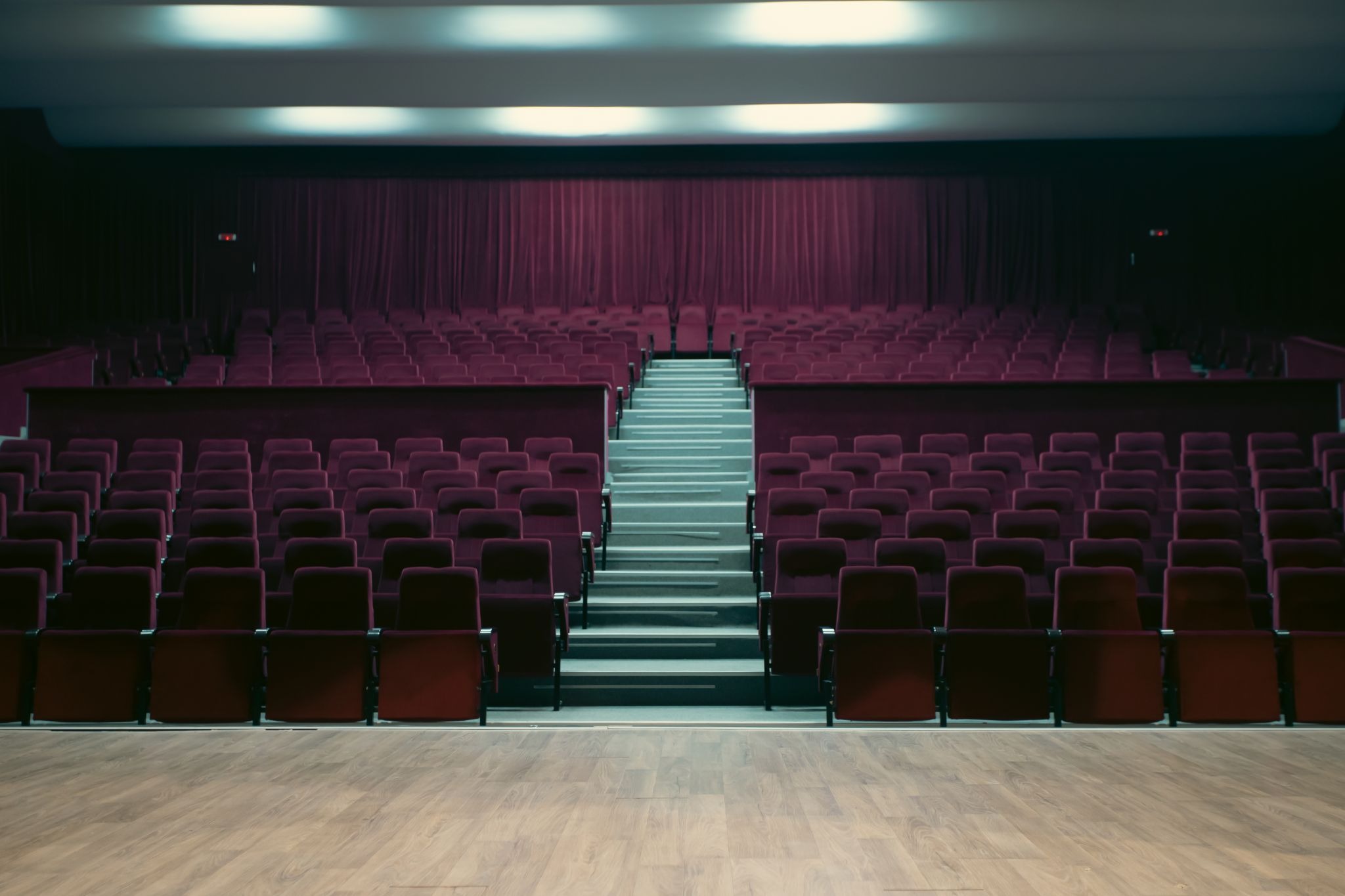
The world of theater is a captivating realm where stories come to life in vivid colors, rich sounds, and powerful performances. For beginners, understanding the essential elements of theater is crucial to appreciating and engaging with this art form. Whether you dream of stepping onto the stage, working behind the scenes, or simply enjoying a performance, grasping the fundamentals will enhance your experience. This guide will explore the key components of theater, providing insights that will inspire and inform your journey into the performing arts.
The Foundation of Theater: Storytelling
At its core, theater is about storytelling. It’s a medium through which human experiences, emotions, and ideas are expressed. A compelling story is the foundation of any successful theatrical production. This narrative can take many forms, from classic tragedies and comedies to modern experimental works.
Real-life examples abound in the theater world. Consider Shakespeare’s “Hamlet,” a timeless tale of revenge, madness, and moral ambiguity. Its complex characters and intricate plot have resonated with audiences for centuries. Similarly, contemporary works like Lin-Manuel Miranda’s “Hamilton” showcase how diverse narratives can capture the human experience, blending history with modern musical styles.
Characters: The Heart of the Story
Characters are the vessels through which stories are told. They are essential to driving the narrative forward and engaging the audience. Each character should have distinct traits, motivations, and arcs that contribute to the overall story.
For beginners, understanding character development is vital. Characters can be protagonists, antagonists, or supporting roles, each serving a specific function in the narrative. For example, in “The Wizard of Oz,” Dorothy represents the innocent dreamer, while the Wicked Witch serves as the formidable antagonist. The interplay between these characters creates tension and drives the plot.
Setting: Creating the World of the Play
The setting refers to the environment in which the story takes place. It encompasses the time period, location, and overall atmosphere of the production. A well-crafted setting enhances the storytelling by immersing the audience in the world of the play.
Consider the stark contrasts between the settings of “Les Misérables,” set in 19th-century France, and “A Midsummer Night’s Dream,” which unfolds in a mystical, enchanted forest. The former’s grim urban landscape highlights themes of struggle and redemption, while the latter’s whimsical setting emphasizes the play’s comedic and fantastical elements.
For beginners, it’s important to recognize how the setting influences the mood and tone of a production. Scenic design plays a crucial role in bringing this aspect to life, with set designers working to create visual representations that enhance the storytelling.
Dialogue: The Language of Theater
Dialogue is the primary means of communication between characters in a play. It reveals their thoughts, emotions, and relationships while also advancing the plot. Effective dialogue should sound natural and authentic, reflecting the characters’ personalities and backgrounds.
In “Death of a Salesman” by Arthur Miller, the dialogue is rich with subtext, revealing the protagonist Willy Loman’s inner struggles and societal pressures. The way characters speak to one another can convey tension, humor, or vulnerability, making it a powerful tool for storytelling.
For beginners, studying dialogue in various plays can provide valuable insights into character development and plot progression. Observing how different playwrights utilize language can enhance your understanding of theatrical storytelling.
Performance: The Art of Acting
Acting is the physical manifestation of a character’s emotions and intentions. It involves the use of voice, body language, and facial expressions to convey a character’s internal world. For beginners, grasping the fundamentals of acting is essential for both performers and those who appreciate theater.
The process of acting often involves understanding a character’s motivations, emotions, and relationships. Actors must immerse themselves in their roles, using techniques such as Stanislavski’s method acting or Meisner’s approach to develop authenticity.
Real-world examples abound, with iconic performances like Meryl Streep in “The Iron Lady” showcasing the transformative power of acting. Streep’s ability to embody former British Prime Minister Margaret Thatcher illustrates how deeply an actor can connect with their character, creating a memorable and impactful performance.
Direction: Guiding the Vision
The director plays a pivotal role in shaping a theatrical production. They are responsible for interpreting the script, guiding the actors, and overseeing the overall vision of the performance. A director’s vision can significantly influence the tone, pacing, and style of the production.
For beginners, understanding the director’s role is essential. A good director works collaboratively with the cast and crew, fostering an environment that encourages creativity and exploration. Directors like Julie Taymor, known for her innovative staging of “The Lion King,” demonstrate how a unique vision can transform a familiar story into a captivating theatrical experience.
Production Design: The Visual Elements
Production design encompasses all the visual components of a theatrical production, including set design, costumes, lighting, and props. These elements work together to create a cohesive aesthetic that enhances the storytelling.
For beginners, appreciating the role of production design can deepen your understanding of theater. Costumes, for instance, not only help define characters but also convey information about the time period and setting. Lighting can create mood, emphasize emotions, and guide the audience’s focus during key moments.
Consider the intricate set designs of Broadway productions like “Wicked,” where the elaborate visual elements transport audiences to the magical land of Oz. The attention to detail in production design is crucial for immersing audiences in the world of the play.
Music and Sound: Enhancing the Experience
Music and sound play a vital role in theater, enhancing the emotional impact of a production. From underscore to musical numbers, sound can evoke feelings and set the tone for various scenes.
Understanding the significance of music in theater is essential for beginners. Many productions incorporate original scores or popular songs to amplify the storytelling. For example, the use of powerful ballads in “Les Misérables” heightens emotional moments, leaving a lasting impression on the audience.
Sound design also includes effects that create atmosphere and enhance realism. The rustling of leaves, the sound of a bustling city, or the distant echo of footsteps can transport audiences into the world of the play.
Audience Engagement: The Final Element
Theater is not a solitary art form; it thrives on the relationship between the performers and the audience. Engaging the audience is essential for creating a memorable experience. This connection can take various forms, from eliciting laughter and tears to provoking thought and reflection.
For beginners, understanding audience dynamics is vital. The energy in a theater can shift dramatically based on audience reactions. A well-timed laugh or gasp can enhance a performance, while silence can create tension.
Theater also allows for interactive experiences, such as immersive productions where the audience participates in the story. Engaging with the audience fosters a sense of community and shared experience, making each performance unique.
Conclusion: Embracing the World of Theater
The essential elements of theater create a rich tapestry of storytelling, emotion, and artistry. For beginners, understanding these components is crucial for appreciating and engaging with the world of theater. From the foundational role of storytelling and character development to the visual and auditory elements that enhance the experience, each aspect contributes to the magic of live performance.
As you embark on your theatrical journey, immerse yourself in various productions, explore different genres, and embrace the creativity that theater offers. Whether you aspire to perform, direct, or simply enjoy the experience as an audience member, the world of theater is waiting to be discovered.
Frequently Asked Questions
What are the essential elements of theater?
The essential elements of theater include storytelling, characters, setting, dialogue, performance, direction, production design, music, sound, and audience engagement.
How does character development influence a play?
Character development shapes the narrative and engages the audience, allowing them to connect emotionally with the story and its themes.
Why is audience engagement important in theater?
Audience engagement fosters a shared experience, enhancing the emotional impact of the performance and creating a memorable atmosphere for both performers and spectators.