
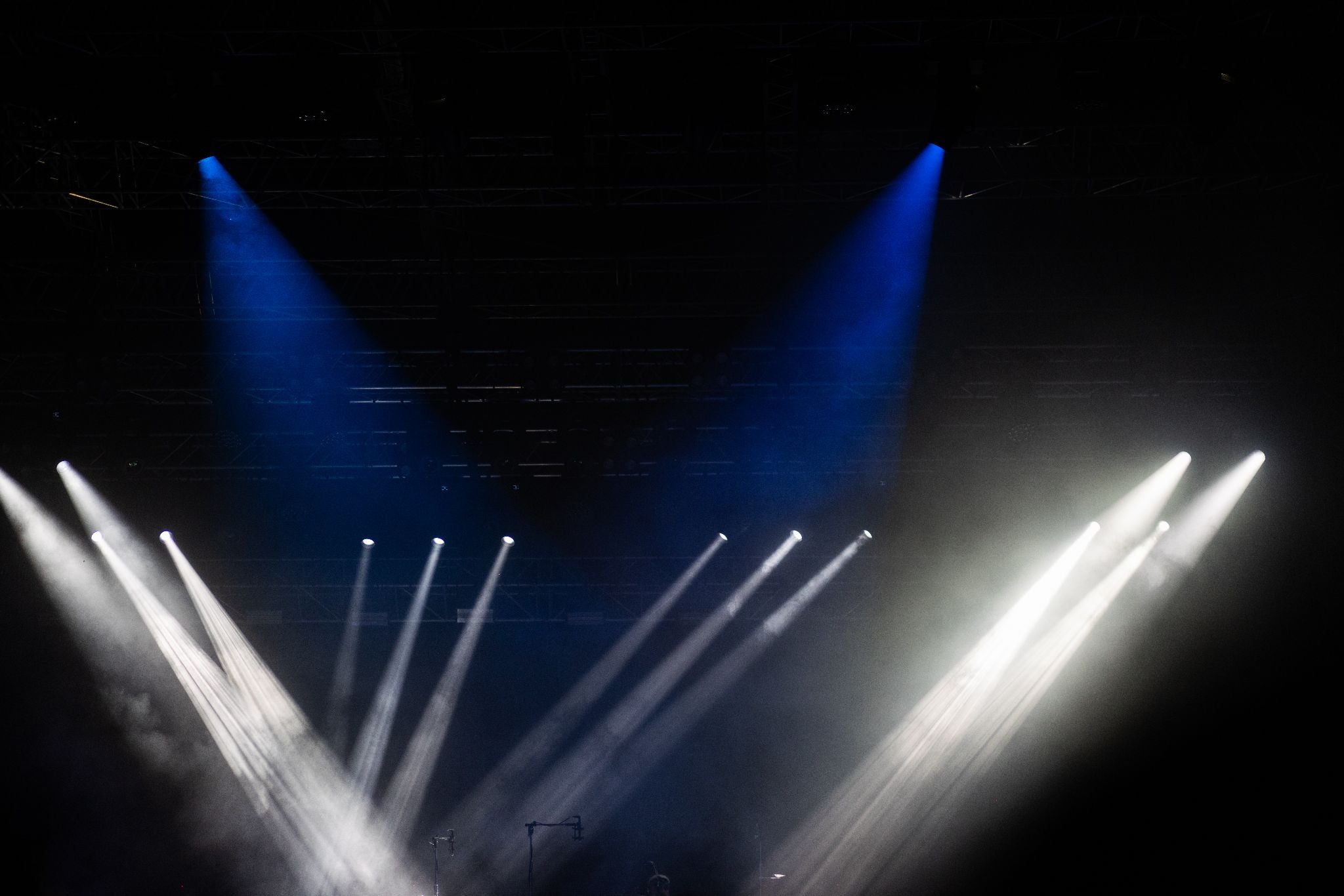
Stage illusions are a captivating blend of art, skill, and imagination. They transport audiences into a world of wonder, where the impossible seems possible. At the heart of these illusions lies the delicate interplay of various elements, with lighting and props playing pivotal roles. Both are essential tools that enhance the magic of performance art, helping to craft unforgettable experiences.
Understanding the significance of stage illusions goes beyond mere entertainment; it is about creating emotional connections with the audience. When executed well, illusions can evoke a range of feelings, from awe and excitement to curiosity and intrigue. They challenge our perceptions of reality and invite us to suspend disbelief, allowing us to experience the extraordinary. In this exploration of how lighting and props enhance stage illusions, we will delve into the intricacies of these elements and their profound impact on the art of performance.
The Power of Lighting in Stage Illusions
Creating Atmosphere and Mood
Lighting is perhaps the most powerful tool in a performer’s arsenal. It sets the atmosphere and mood, transforming the stage into a dynamic canvas. Different lighting techniques can evoke specific emotions, whether it’s the warm glow of a sunset or the stark shadows of a haunted house. By manipulating light, performers can guide audience feelings and reactions, making lighting an integral part of storytelling.
Color temperature plays a crucial role in shaping the audience’s perceptions. Warm colors, like reds and yellows, tend to evoke feelings of warmth and comfort, while cooler colors, such as blues and greens, can create a sense of calm or even tension. For instance, a soft blue light might be used in a romantic scene, while harsh white light could emphasize a moment of conflict. Understanding how to use color temperature effectively allows performers to enhance the emotional depth of their illusions.
Focusing Attention
Another critical aspect of lighting is its ability to focus attention. A skilled performer knows how to use light to direct the audience’s gaze, ensuring that they see what is intended. Spotlights can highlight a key moment or character, drawing the audience’s eyes to the focal point of the scene. Conversely, shadows can obscure elements, creating intrigue and allowing for surprises to unfold.
Techniques such as backlighting can create silhouettes that add an air of mystery to a performance. This method not only enhances the visual appeal but also allows for the illusion of depth and dimension. When used strategically, lighting can elevate the impact of an illusion, making it more memorable and engaging for the audience.
The Importance of Props in Stage Illusions
Enhancing Storytelling
Props are the tangible elements that bring a performance to life. They serve as crucial storytelling devices, adding context and depth to the narrative. A well-chosen prop can enhance character development, signify important plot points, or even become a central aspect of the illusion itself. For instance, a magician’s wand or a mysterious box can hold the key to a trick, while everyday items can be transformed into extraordinary tools of illusion.
Props also contribute to the visual richness of a performance. They can create a sense of place and time, grounding the audience in the story. The careful selection and design of props reflect the world of the performance, enhancing the overall aesthetic. Iconic props have become synonymous with certain performances, leaving a lasting impression on audiences. Think of the rabbit pulled from the hat or the disappearing table; these elements are not just accessories but integral parts of the illusion.
Creating Visual Interest
The design and selection of props are critical in enhancing stage illusions. Unique and creative props can add layers to the performance, engaging the audience’s imagination. A simple piece of fabric can become a magical cloak, while a common chair can transform into a throne of power. The possibilities are endless, and the key is to think outside the box.
Props should not only serve a functional purpose but also captivate visually. The colors, textures, and shapes of props can draw the audience’s attention and enhance the overall aesthetic experience of the performance. A visually stunning prop can elevate a simple illusion into a breathtaking spectacle that lingers in the audience’s memory long after the curtain falls.
The Collaboration Between Lighting and Props
The true magic of stage illusions lies in the collaboration between lighting and props. When used together, these elements can create a harmonious blend that maximizes their individual effects. For instance, the right lighting can enhance the visual appeal of a prop, making it more striking and impactful. Similarly, a well-designed prop can provide a focal point for lighting to highlight, creating a cohesive and immersive experience.
Techniques for integrating lighting and props effectively include synchronizing cues, adjusting intensity, and using color changes to complement the props. A successful performance often involves a delicate balance, where lighting enhances the props, and the props, in turn, inform the lighting design. This synergy creates a richer narrative and a more compelling illusion, captivating the audience’s imagination.
Case Studies of Effective Integration
Numerous performances have exemplified the effective integration of lighting and props. For example, in a well-known magic show, a magician utilizes a series of colored lights to highlight a stunningly designed prop—a large, ornate box. As the lights change colors, the box appears to shift in appearance, enhancing the illusion of transformation.
Another example can be seen in theatrical productions where lighting transforms simple props into essential storytelling devices. In a play set in a dark forest, the use of shadows and flickering lights can turn an ordinary tree prop into a haunting figure, heightening the sense of mystery and tension. These case studies demonstrate that the collaboration between lighting and props is not merely an afterthought but a fundamental aspect of creating powerful stage illusions.
Innovative Techniques in Enhancing Stage Illusions
Use of Technology
In today’s performances, the use of modern technology has revolutionized the way lighting and props enhance stage illusions. Innovations such as LED lighting, projection mapping, and automated lighting systems provide performers with tools that can create dynamic and intricate effects. These technologies allow for greater creativity and flexibility in designing lighting schemes that adapt to the performance in real-time.
LED lighting, for instance, can change color and intensity with precision, allowing for seamless transitions between scenes. This capability enhances the storytelling aspect of a performance, as the lighting can shift to reflect changes in mood or action. Projection mapping further expands the possibilities, enabling performers to project images onto props or backdrops, transforming them into moving parts of the illusion.
Creative Use of Space
The effective use of space is another vital consideration in enhancing stage illusions. Staging and set design work hand-in-hand with lighting and props to create immersive environments. Understanding spatial awareness allows performers to design illusions that utilize the entire stage area, engaging the audience from multiple angles.
For example, a performance set in a grand castle may use towering props and dramatic lighting to create a sense of grandeur. The careful arrangement of elements can lead to surprising visual effects, where props seem to emerge from the shadows or disappear into the light. By creatively utilizing space, performers can amplify the impact of their illusions, captivating the audience and drawing them deeper into the performance.
Challenges and Solutions in Using Lighting and Props
While the integration of lighting and props enhances stage illusions, it is not without its challenges. Common pitfalls include overcomplicating designs or failing to synchronize cues effectively. When lighting is too harsh or props are poorly designed, the intended illusion can fall flat, resulting in a loss of impact.
To overcome these challenges, performers should focus on simplicity and clarity. Clear communication between the lighting designer and the props team is essential to ensure that every element works harmoniously. Regular rehearsals allow for adjustments and fine-tuning, ensuring that lighting and props complement each other rather than compete for attention. By addressing these challenges head-on, performers can create illusions that truly captivate and engage their audience.
Conclusion
In the world of performance art, the art of enhancing stage illusions through lighting and props cannot be overstated. These elements work in tandem to create a captivating experience that transports audiences into a realm of wonder and magic. By understanding the power of lighting and the importance of props, performers can craft unforgettable illusions that resonate with their audience.
FAQs
How does lighting influence stage illusions?
Lighting plays a crucial role in setting the mood, creating focus, and enhancing the overall visual impact of stage illusions.
What types of props are most effective in enhancing illusions?
Props that are unique, visually engaging, and integral to the narrative of the performance are most effective in enhancing stage illusions.
Can lighting and props be used to create illusions in different genres of performance?
Absolutely! Both lighting and props can be tailored to suit various genres, from magic shows to theater and dance performances.